



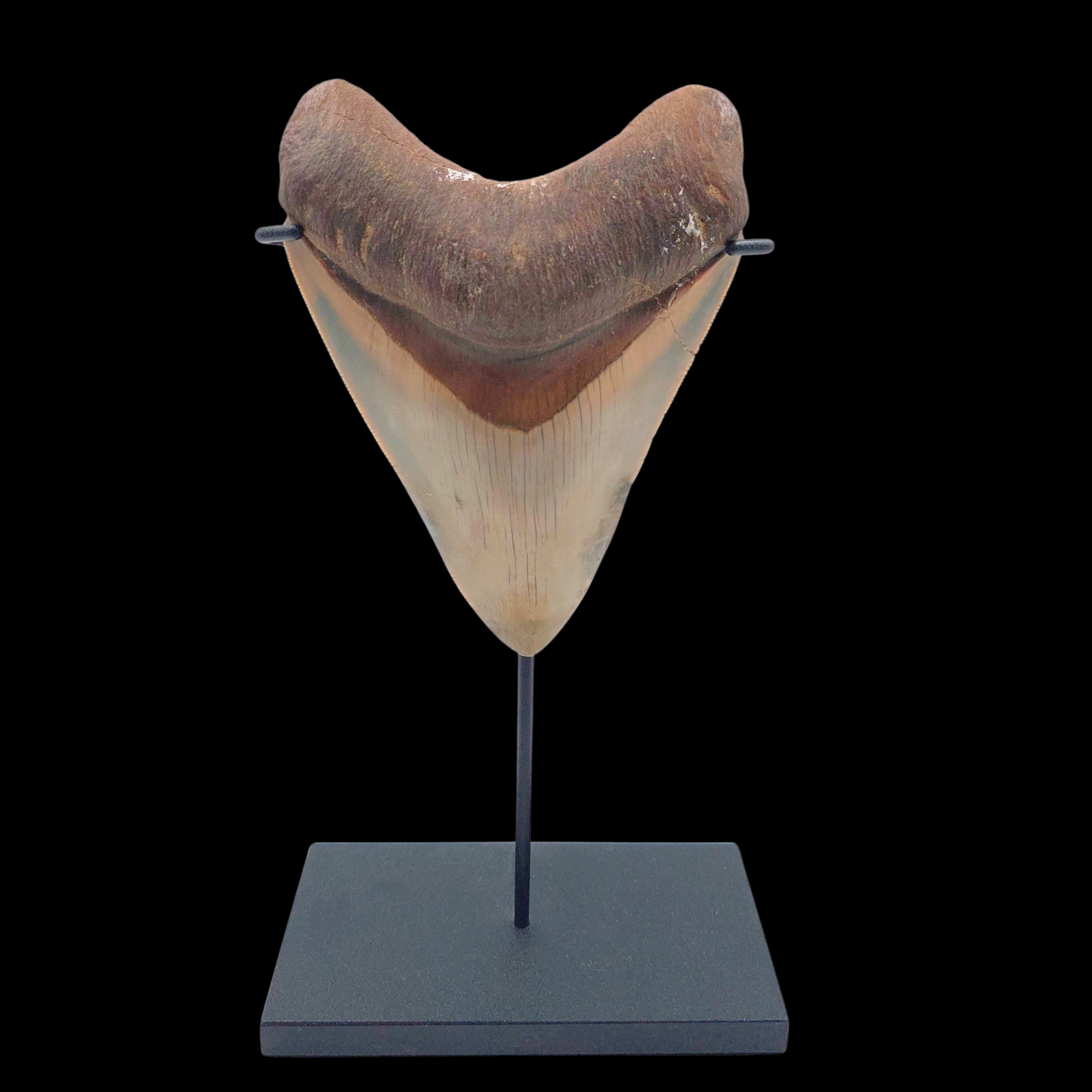
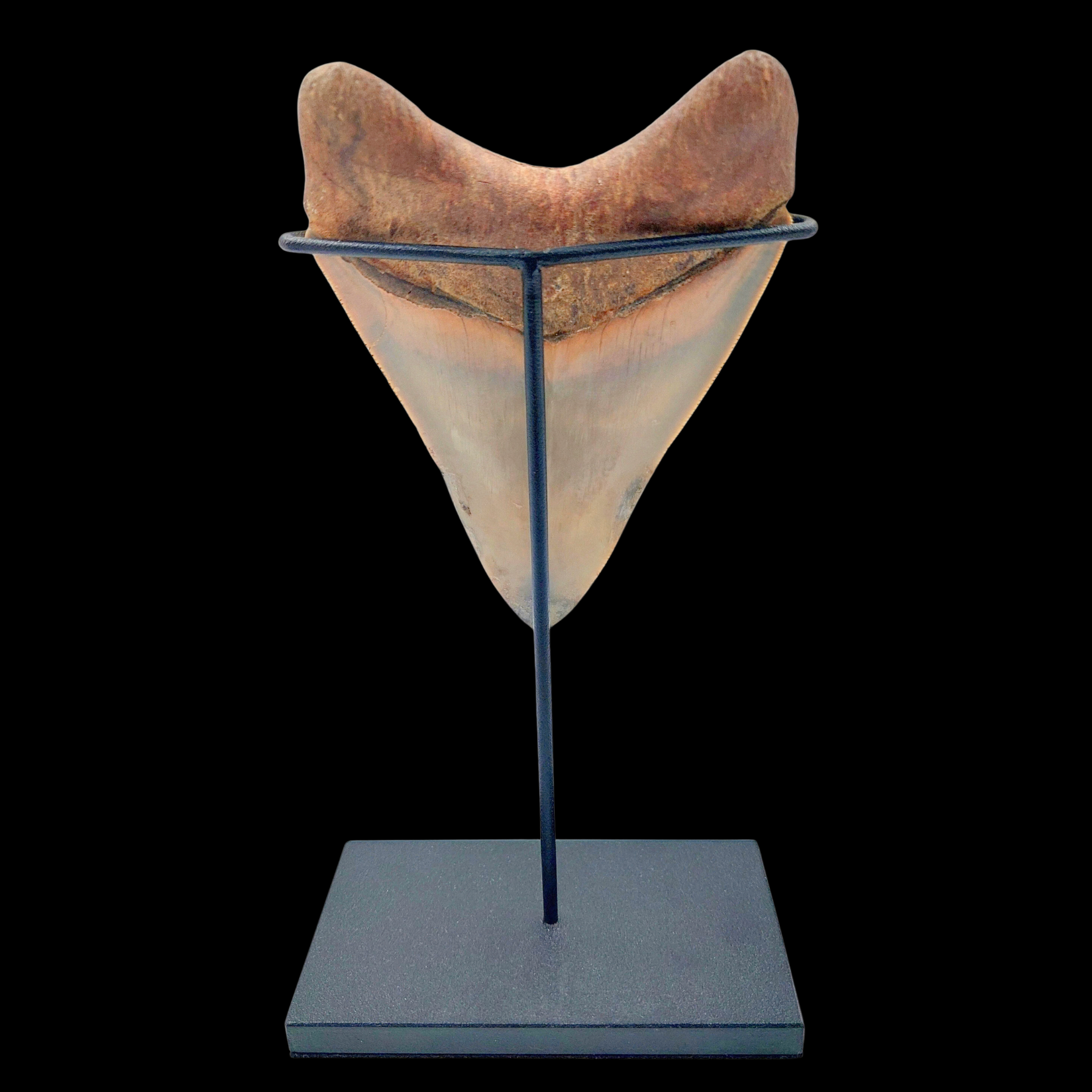
Specifications:
Location:
Indonesia
Genus:
Otodus
Size:
9.5 cm
Age:
13 million years old
Period:
Neogene
Restoration:
Polish
Weight:
73 g
Available in Dubai
3 650,00 AED

Lot Essay
Delivery
Rarity and Value
This genuine fossil tooth belonged to Otodus megalodon and dates to approximately 13 million years ago, during the Miocene Epoch. Large megalodon teeth are among the most impressive fossil remains of prehistoric marine predators, valued for their substantial proportions, powerful triangular form, and clearly recognizable feeding adaptations. Because sharks possess predominantly cartilaginous skeletons, their teeth form the principal fossil evidence preserved from the species. Each specimen is naturally unique in coloration, mineralization, surface texture, and state of preservation, reflecting the geological conditions in which it remained buried for millions of years. Well-preserved large teeth provide a direct physical record of one of the most formidable predators to inhabit the ancient oceans.
Biological Context and Significance
Around 13 million years ago, during the middle Miocene, Otodus megalodon occupied warm and temperate marine environments and stood at the highest levels of the oceanic food web. It preyed upon large marine vertebrates, including cetaceans and other substantial animals. Its teeth were highly adapted for powerful predation: the broad, thick crown provided strength, while the serrated cutting edges were capable of slicing through flesh and other resistant tissues. Like modern sharks, megalodon continuously replaced its teeth throughout life, producing successive generations of teeth that could eventually become buried in marine sediments and preserved in the fossil record.
Fossilization and Preservation
After being shed or lost during feeding, individual teeth could settle on the seafloor and become rapidly covered by sediment. Over approximately 13 million years, mineral-rich groundwater and surrounding sediments gradually altered and stabilized the original dental tissues through fossilization. Variations in local mineral chemistry produced the natural differences in color seen in fossil megalodon teeth, from pale earthy tones to grey, brown, and nearly black. The preserved crown, root, and cutting margins retain important anatomical information while also recording the geological history of the marine environment in which the tooth was buried. Each specimen therefore represents both a biological remain of Otodus megalodon and a geological record of the Miocene seas in which this predator lived.
Delivery
Brought to you by

Need more details?
Lot CR-001
5 000,00 AEDHidden Convoy Rings – Stealth and Functionality in Historic Design
Lot FSL-032
Cretaceous Giant Theropod Claw
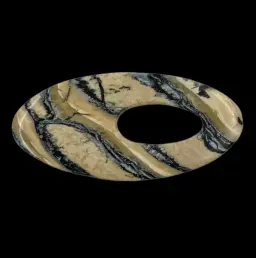
Lot MAM-179
600,00 AEDStrata of Time – Fossilized Mammoth Tusk Slice, 179g
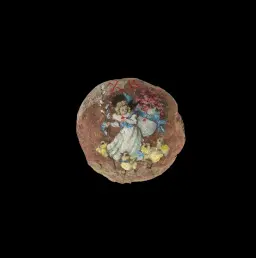
Lot DE1
132 910,00 AEDFossilized Hadrosaurus Dinosaur Egg, Painting made by Nikas Safronov
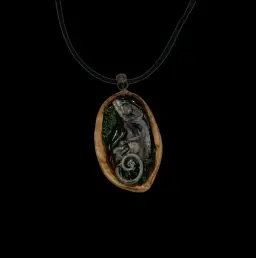
Lot NK-001
150,00 AEDChameleon in Walnut Shell Necklace – Fusion of Nature and Artistry
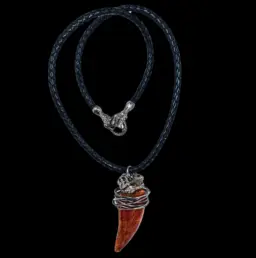
Lot CTN-001
15 000,00 AEDSilver pendant with Carcharodontosaurus tooth, 7.2 cm
Lot FSL-011
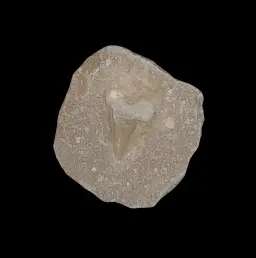
245,00 AED290 gr Plate of Fossilised Otodus Shark’s Tooth
Lot FB-118
420,00 AEDLime Swallowtail: Papilio demoleus in Frame, Indonesia
Lot FSL-010
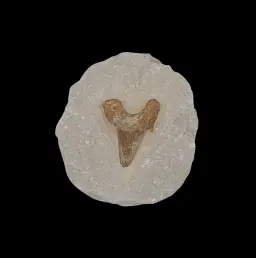
900,00 AED297 gr Plate of Fossilised Otodus Shark’s Tooth
Lot PDBS-001
8 500,00 AEDPolished Dinosaur Bone Sphere
Lot FSL-045
Item has been added to your Cart
You cannot add "Megalodon Tooth, 73 g, h 9.5 cm, circa 13 mln years old" to your cart again.
Enquiry
Lot FSL-045
Thank you for your interest. Please fill out the below form, and our specialist will follow up with you shortly.
Thank you for your interest
We will be in touch shortly
We will never pass your personal information to anyone outside of Artefactum Gallery for their own marketing purposes without your consent. For more information about how we processes your data, please click here to read our Privacy Notice.
Brought to you by

Enquiry
Thank you for your interest. Please fill out the below form, and our specialist will follow up with you shortly.
Thank you for your interest
We will be in touch shortly
We will never pass your personal information to anyone outside of Artefactum Gallery for their own marketing purposes without your consent. For more information about how we processes your data, please click here to read our Privacy Notice.
