


Al Shindagha Museum Review: A Complete Guide to Dubai’s Heritage Museum
Dubai is known for innovation and modern architecture, yet its heritage remains one of its greatest attractions. Al Shindagha Museum is a museum in Dubai that introduces visitors to the origins of the city through immersive exhibitions, restored heritage houses, and cultural storytelling. Located in the Al Shindagha Historic District near Dubai Creek, the museum is ideal for travelers researching what to see in Dubai, families interested in culture, and visitors looking for authentic experiences.
What Is Al Shindagha Museum?
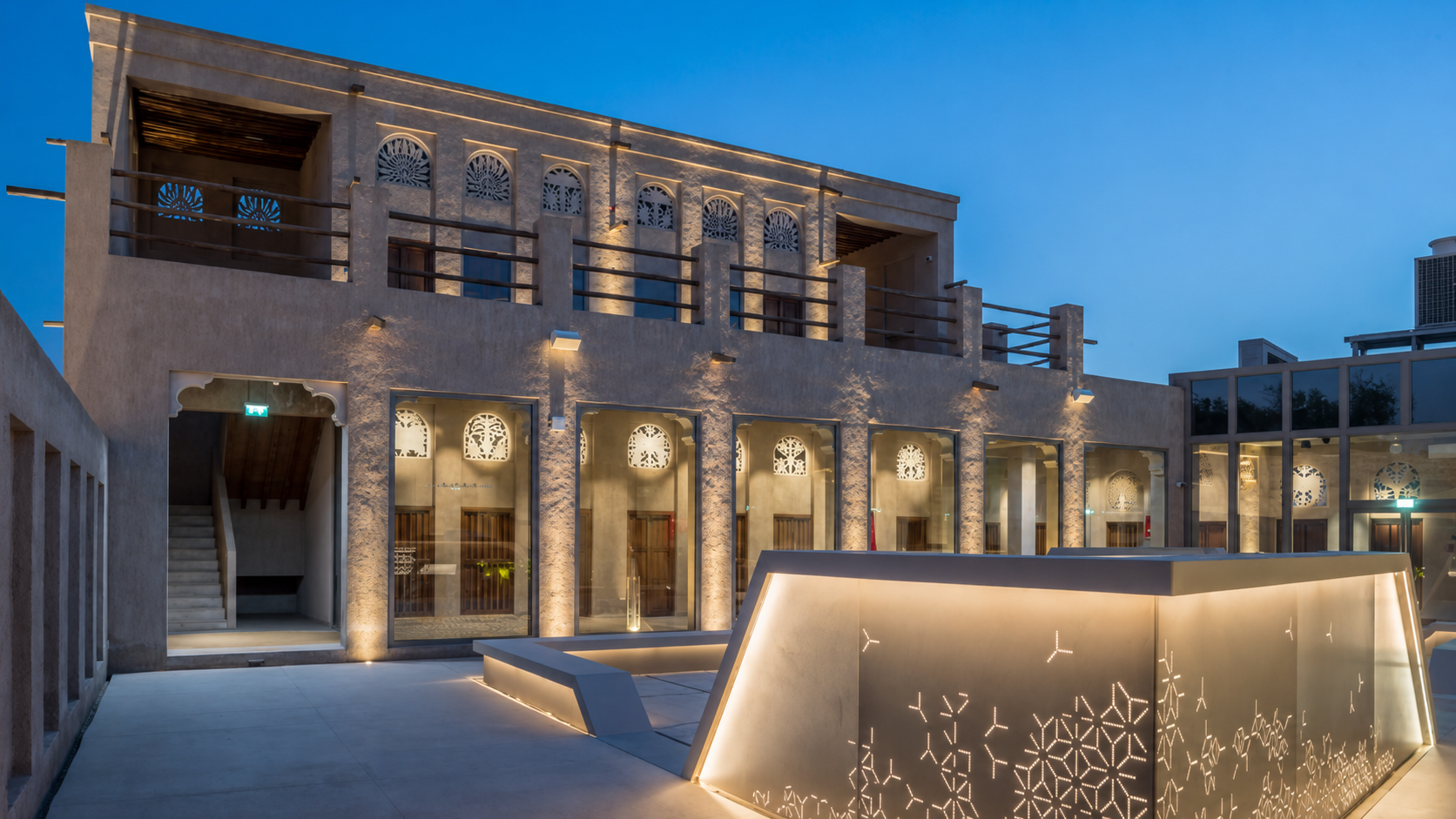
Al Shindagha Museum is one of the most important cultural attractions in Dubai and the largest heritage museum project in the UAE. Located in the historic Al Shindagha district along Dubai Creek, the museum gives visitors an opportunity to discover what life in Dubai was like before the city became known for its skyscrapers, luxury hotels, and modern attractions.
Unlike a traditional museum where everything is displayed inside a single building, Al Shindagha Museum is spread across numerous restored heritage houses and themed pavilions. Each section focuses on a different part of Dubai’s history, including trade, pearl diving, family life, traditional crafts, maritime heritage, and local customs. Together, these exhibitions tell the story of how Dubai grew from a small fishing and trading settlement into one of the world’s most dynamic cities.
What makes the museum particularly interesting is the way it combines authentic historical buildings with modern technology. Visitors can walk through traditional houses, explore interactive exhibits, watch multimedia presentations, and learn about the people and events that shaped the city. Rather than simply displaying historical objects, the museum helps visitors understand how previous generations lived, worked, and adapted to their environment.
For anyone interested in Emirati culture and local traditions, еhe museum offers a deeper perspective on Dubai beyond its modern image. It is a place where visitors can learn about the roots of the city, discover the everyday lives of its early residents, and gain a better understanding of the heritage that continues to influence the UAE today.
History and Development of the Museum
The creation of Al Shindagha Museum forms part of a long-term initiative led by Dubai Culture & Arts Authority to preserve one of the city’s most historically significant neighborhoods. Rather than constructing a conventional museum building, the project was designed to restore the original urban fabric of the Al Shindagha Historic District, where generations of Emirati families once lived. The museum has opened gradually in phases, with new heritage houses and thematic pavilions introduced over several years, allowing visitors to experience an increasingly comprehensive presentation of Dubai’s history and cultural identity.
Today, the museum represents the largest heritage museum project in the United Arab Emirates. Its mission extends beyond displaying historical artifacts—it actively safeguards traditional architecture, oral histories, craftsmanship, and customs that might otherwise be lost as Dubai continues its rapid urban development. By preserving authentic buildings while integrating contemporary exhibition techniques, the museum bridges the past and present, ensuring that future generations can better understand the origins of Dubai and the cultural traditions that helped shape the modern UAE.
Where Is Al Shindagha Museum Located?
Al Shindagha Museum Dubai is located in the historic Al Shindagha Historic District on the banks of Dubai Creek, one of the oldest and most culturally significant areas of the city. The museum’s main visitor entrance is situated in Al Shindagha, Dubai, United Arab Emirates, near Al Ghubaiba and the traditional waterfront that played a crucial role in the development of Dubai’s trading economy.
The museum occupies a large heritage district comprising more than 160 restored historical buildings and multiple themed pavilions spread throughout the neighborhood. Its location along Dubai Creek allows visitors to experience the very environment where much of the city’s early history unfolded.
The easiest way to reach the museum is by Dubai Metro. Visitors can take the Green Line to Al Ghubaiba Metro Station, which is only a short walk from the museum’s Visitor Centre. Those traveling by taxi can simply ask for the Visitor Centre at Visitor Centre – Al Shindagha Museum or for Al Shindagha Museum. Taxi drivers throughout Dubai are familiar with the destination.
Visitors coming from Deira can also enjoy a traditional abra boat ride across Dubai Creek before walking to the museum, creating an authentic introduction to the city’s maritime heritage. Public buses serve the nearby Al Ghubaiba transport hub, making the museum easily accessible from most parts of Dubai.
Address: Al Shindagha Historic District, Dubai Creek Area, Dubai, United Arab Emirates. The main museum complex is located along Al Khaleej Street near Al Ghubaiba.
This convenient waterfront location makes the museum an excellent addition to any Dubai sightseeing itinerary and allows visitors to combine their visit with other nearby Dubai Creek attractions, heritage districts, and cultural places in Dubai.
What to See at Al Shindagha Museum

Dubai Creek – Birth of a City
One of the most impressive sections explains Dubai Creek history and the role of maritime trade in shaping the city. Interactive displays, maps, and historical records help visitors understand why the creek became the foundation of Dubai’s prosperity.
The exhibitions illustrate how Dubai Creek connected local communities with regional and international trade networks long before the discovery of oil. Visitors can learn about pearl diving, fishing, shipbuilding, and merchant activities that supported the local economy for generations. This pavilion provides valuable insight into the geographical and economic factors that transformed a small coastal settlement into one of the Middle East’s most successful trading centers.
Traditional Emirati Lifestyle
This pavilion focuses on traditional Emirati life, family customs, hospitality, education, clothing, and social values. Visitors gain a deeper understanding of Emirati culture and the traditions that continue to influence modern society.
Through carefully recreated interiors, personal stories, historical objects, and multimedia presentations, the exhibition demonstrates how families lived, worked, and celebrated important occasions in the past. Visitors can explore the importance of hospitality, community relationships, traditional crafts, and cultural practices that have been passed down through generations and remain an important part of Emirati identity today.
Heritage Houses and Historic Buildings
The museum includes numerous restored buildings that showcase traditional architecture. Walking through these structures allows visitors to experience Dubai heritage in an authentic environment.
Many of the houses feature original architectural elements such as courtyards, wind towers, wooden doors, and traditional construction materials designed to adapt to the region’s climate. Exploring these historic buildings provides a unique opportunity to understand how people lived before modern urban development transformed the city. The preserved architecture creates a strong connection between visitors and Dubai’s historical past.
Interactive Exhibits and Multimedia Experiences
Modern technology is used throughout the museum to create engaging experiences. Multimedia presentations and digital installations make Al Shindagha Museum one of the most interesting interactive museums in Dubai.
Visitors can engage with touchscreens, immersive audiovisual displays, interactive maps, and digital storytelling experiences that bring historical events to life. These modern presentation techniques help make complex historical topics accessible to audiences of all ages. The combination of advanced technology and authentic heritage settings creates an engaging learning environment that appeals to both adults and younger visitors.
Why Visit Al Shindagha Museum?
When planning my visit to Dubai, I wanted to learn more about the city beyond its famous skyscrapers, luxury hotels, and modern attractions. Before exploring contemporary Dubai, I felt it was important to understand how the city began and what life was like before its rapid transformation. That is one of the main reasons I decided to visit Al Shindagha Museum.
I often find that understanding the history and culture of a destination makes the entire travel experience more meaningful, and this museum provided exactly that perspective. It helped me connect the modern city with its past and understand how Dubai developed from a small fishing and trading settlement into one of the world’s leading urban centers. Walking through the historic district and visiting the different pavilions gave me a much clearer picture of the people, traditions, and industries that shaped the city over generations.
Another reason I found the museum worth visiting is that it offers much more than traditional displays of artifacts. The exhibitions are interactive, informative, and spread across numerous restored heritage buildings, making the experience feel more like exploring a historic neighborhood than visiting a conventional museum. Each pavilion focuses on a different aspect of Emirati culture, allowing visitors to discover topics such as maritime trade, traditional crafts, perfume making, family life, and local customs.
I also appreciated that the museum appeals to a wide variety of visitors. Families can enjoy educational exhibits, history enthusiasts can explore detailed historical narratives, and international travelers can gain valuable insight into Emirati culture. Among the many things to do in Dubai, this experience offers something that many modern attractions cannot provide: a genuine understanding of the city’s roots and cultural identity.
For anyone interested in history, architecture, or local traditions, this heritage museum is one of the most rewarding places to visit in Dubai. It provides important context for everything else visitors see in the city and helps create a deeper appreciation for Dubai’s remarkable journey from a modest coastal community to a global destination.
One aspect that surprised me most was how naturally the visit unfolds. Rather than following a single exhibition hall, visitors move through quiet streets lined with restored heritage buildings, creating the impression of walking through a living historical neighborhood. Each pavilion focuses on a different theme, allowing the experience to feel varied instead of repetitive. I found myself spending much longer than expected reading personal stories, exploring recreated interiors, and watching short multimedia presentations that explained the traditions behind everyday Emirati life.
The museum also encourages visitors to slow down and appreciate details that are often overlooked when exploring modern Dubai. Traditional wind towers, shaded courtyards, coral-stone architecture, and views across Dubai Creek provide a strong sense of place that cannot be experienced in contemporary districts. Photography enthusiasts will appreciate the authentic setting, while travelers interested in architecture, history, and local culture will discover countless opportunities to learn more about the city’s transformation.
If time allows, I recommend combining a visit with nearby attractions such as an abra ride across Dubai Creek, the Al Fahidi Historical Neighbourhood, or the traditional souks. Together, these experiences create a much richer understanding of Dubai than modern landmarks alone. For me, this heritage district became one of the highlights of my trip because it revealed the human stories behind the city’s extraordinary growth.
Is Al Shindagha Museum Worth Visiting?

Based on my visit, the answer is definitely yes. Al Shindagha Museum offers a completely different perspective on Dubai compared to the city’s modern landmarks and skyscrapers. While many visitors associate Dubai with luxury shopping malls, futuristic architecture, and world-famous attractions, this museum reveals the rich cultural heritage and traditions that laid the foundation for the city’s remarkable success.
What impressed me most was the scale of the museum and the quality of its presentation. Rather than being confined to a single building, Al Shindagha Museum is spread across numerous restored heritage houses and themed pavilions within the historic district itself. Walking through the area feels less like visiting a conventional museum and more like stepping into a living historical neighborhood where the story of Dubai unfolds naturally from one exhibition to the next.
The museum successfully combines authentic historical settings with modern technology. Interactive displays, immersive multimedia presentations, oral histories, and carefully curated exhibitions help bring the past to life in an engaging and accessible way. Even visitors with little prior knowledge of Emirati culture can easily follow the narrative and gain a deeper understanding of how Dubai evolved from a small trading and pearl-diving community into a global city.
Another aspect that stands out is the authenticity of the experience. Many museums focus primarily on artifacts, but Al Shindagha Museum places visitors directly within the environment where history happened. The preserved architecture, traditional courtyards, and waterfront setting along Dubai Creek create a strong connection to the city’s past and make the experience far more immersive than a typical museum visit.
That said, visitors should plan enough time to fully appreciate the museum. The complex is extensive, and exploring the main pavilions comfortably can take several hours. Those looking exclusively for fast-paced entertainment or technology-driven attractions may find attractions such as the Museum of the Future more aligned with their interests. However, for travelers who enjoy history, architecture, culture, and meaningful travel experiences, the museum offers exceptional value.
Overall, I found the museum to be one of the most informative and rewarding cultural attractions in Dubai. It provides essential context for understanding the city beyond its modern image and offers a fascinating introduction to the traditions, values, and history of the United Arab Emirates. For anyone interested in discovering the authentic side of Dubai, it is undoubtedly worth visiting.
Al Shindagha Museum vs Other Museums in Dubai

Having visited several of Dubai’s most prominent museums, I found that each offers a distinct perspective on the city and the United Arab Emirates. Rather than competing with one another, they complement each other and together provide a more complete understanding of the country’s past, present, and future.
During my visit to Dubai Museum, I appreciated its focus on the early history of the city and its location within the historic Al Fahidi Fort. The museum provides an excellent introduction to traditional life in Dubai and offers valuable historical context for first-time visitors interested in learning about the city’s origins.
Etihad Museum delivers a different experience by concentrating on the formation of the United Arab Emirates. Its exhibitions focus on the events, personalities, and decisions that led to the establishment of the nation in 1971. I found it particularly informative for understanding the political and social development of the modern UAE.
The Museum of the Future stands out for its innovative approach and forward-looking vision. Through immersive exhibitions and advanced technologies, it explores ideas related to science, sustainability, artificial intelligence, and the future of humanity. It offers a fascinating glimpse into what may lie ahead for both Dubai and the wider world.
Among these institutions, this heritage museum provides the most extensive exploration of Dubai heritage and traditional Emirati life. What impressed me most was the scale of the museum and the way it combines authentic historical buildings with modern storytelling techniques. Walking through the restored heritage district created a much deeper connection to the city’s past than could be achieved through exhibits alone.
In my experience, visitors interested in Dubai’s cultural heritage should consider exploring more than one museum, as each highlights a different chapter of the UAE’s story. However, for those seeking the most comprehensive understanding of Emirati traditions, daily life, maritime history, and the cultural foundations of modern Dubai, the museum offers one of the richest and most immersive experiences available in the city.
Visitor Information
Visitors should always check the latest opening hours, ticket prices, and special events on the official Al Shindagha Museum website before planning their visit, as schedules may change during public holidays, Ramadan, or special cultural events. According to the museum’s official information, Al Shindagha Museum is generally open daily from 10:00 AM to 8:00 PM, with the last admission at 7:00 PM.
Tickets can be purchased online in advance or at the museum’s Welcome Centre upon arrival. Booking online is recommended during weekends and peak tourist seasons.
Because the museum is spread across numerous heritage houses and themed pavilions throughout the Al Shindagha Historic District, comfortable walking shoes are highly recommended. During my visit, I found that a quick overview requires approximately two to three hours, while visitors interested in exploring most exhibitions should allow at least three to five hours for a more complete experience.
For the most up-to-date visitor information, opening hours, ticket options, accessibility services, and museum events, visitors should consult the official website:
Official Website:
Al Shindagha Museum Official Website
Official Tickets & Visitor Information:
Plan Your Visit – Al Shindagha Museum
This Al Shindagha Museum review confirms that the attraction deserves recognition among the best museums in Dubai. It successfully combines heritage preservation, storytelling, and interactive experiences to create a memorable journey through the city’s past. For travelers researching what to see in Dubai, Al Shindagha Museum is an essential museum in Dubai that offers insight into the history, culture, and identity of the UAE.
You May Also Like
Continue exploring Dubai’s cultural heritage with our guides to:
- Best Collections and Exhibits at Al Shindagha Museum
- Etihad Museum Review: Discover the Story Behind the United Arab Emirates
- The Best Collections and Exhibits at Etihad Museum
- Sotheby’s Dubai Review: Discover One of the Most Prestigious Art and Collectibles Destinations in the UAE
- Christie’s Dubai Review: Exploring One of the World’s Most Prestigious Auction Houses in the UAE
- Opera Gallery Dubai Review: Discover One of Dubai’s Leading International Art Galleries
مقالات أخرى
- مقالات أخرى
- ما هو الحفرية؟
- كيف يتم تحديد عمر الحفريات؟
- من المقرر افتتاح متحف التاريخ الطبيعي في أبوظبي في نوفمبر 2025 في منطقة السعديات الثقافية
- من الصحراء إلى الفضاء: كيف يروي متحف نيو هامبشاير للعلوم (NHMAD) قصة الحياة على الأرض — وما وراءها
- Louvre Abu Dhabi Review: A Complete Guide to the UAE's Most Famous Art Museum
- الديناصورات - الأرقام القياسية والإنجازات
- دور NHMAD في الحفاظ على تراث شبه الجزيرة العربية: تسليط الضوء على إرث طبيعي فريد من نوعه
- تحفة معمارية مستوحاة من الطبيعة: رحلة عبر تصميم NHMAD
- أسرار الأسنان المنشارية: استكشاف المفترسين الشرسين في العصور ما قبل التاريخ
- عمالقة العالم القديم
- ما هي التريلوبيتات؟ تعرف على الرواد البحريين في تاريخ الأرض
- التنانين البحرية في العصر الوسيط
- Natural History Museum Abu Dhabi Review: Everything You Need to Know
- أسنان الديناصورات
- Best Collections and Exhibits at Al Shindagha Museum
- Christie's Dubai Review: Exploring One of the World's Most Prestigious Auction Houses in the UAE
- Qasr Al Hosn Review: A Complete Guide to Abu Dhabi's Oldest Historic Landmark
- الديناصورات بيننا
- ما وراء الماموث: اكتشف الكائنات المتنوعة في العصر الجليدي
- XVA Gallery Review: A Hidden Art Gem in Historic Dubai
- Zawyeh Gallery Dubai Review: A Must-Visit Art Space for Contemporary Middle Eastern Art
- ما هي النيازك؟ دليل المبتدئين إلى الصخور الفضائية
- The Best Collections and Exhibits at Natural History Museum Abu Dhabi: What Is Worth Seeing in the UAE's Most Ambitious Museum
- تصنيف أسنان الميجالودون
- الأموليت: الحجر الكريم القديم ذو التوهج القزحي الساحر
- Historica Auction Review: Exploring One of the Leading Auction Houses for Historical Collectibles and Rare Artifacts
- تائه في أبوظبي: هيكل «ستان» التيرانوصور وعجائب متحف أبوظبي الوطني
- مورشيسون: النيزك الأقدم من النظام الشمسي — رمز كوني لـ NHMAD
- Zayed National Museum Review: Discover the Story of the United Arab Emirates
- التيرانوصور ريكس: الملك الحقيقي للديناصورات
- Best Collections and Exhibits at Etihad Museum: What to See in Dubai
- The Best Collections and Exhibits at Saruq Al Hadid Archaeology Museum
- Saruq Al Hadid Archaeology Museum Review: One of Dubai's Most Underrated Attractions
- Sotheby's Dubai Review: A Guide to Dubai's Premier Art and Collectibles Destination
- الميغالودون: أكبر سمكة قرش عاشت على الإطلاق
- Opera Gallery Dubai Review: Discover One of Dubai's Leading International Art Galleries
- TP Auction Review: A Guide to One of the Most Fascinating Auction Houses for Collectors
- Qasr Al Watan Review: A Complete Guide to Abu Dhabi's Presidential Palace and Cultural Landmark
- Etihad Museum Review: Discover the Story Behind the United Arab Emirates
- اكتشاف الأمونيتات: الحفريات الغامضة من ماضي الأرض

القطعة PVG51
Phymateus viridipes – رمز نابض بالحياة لجنوب أفريقيا
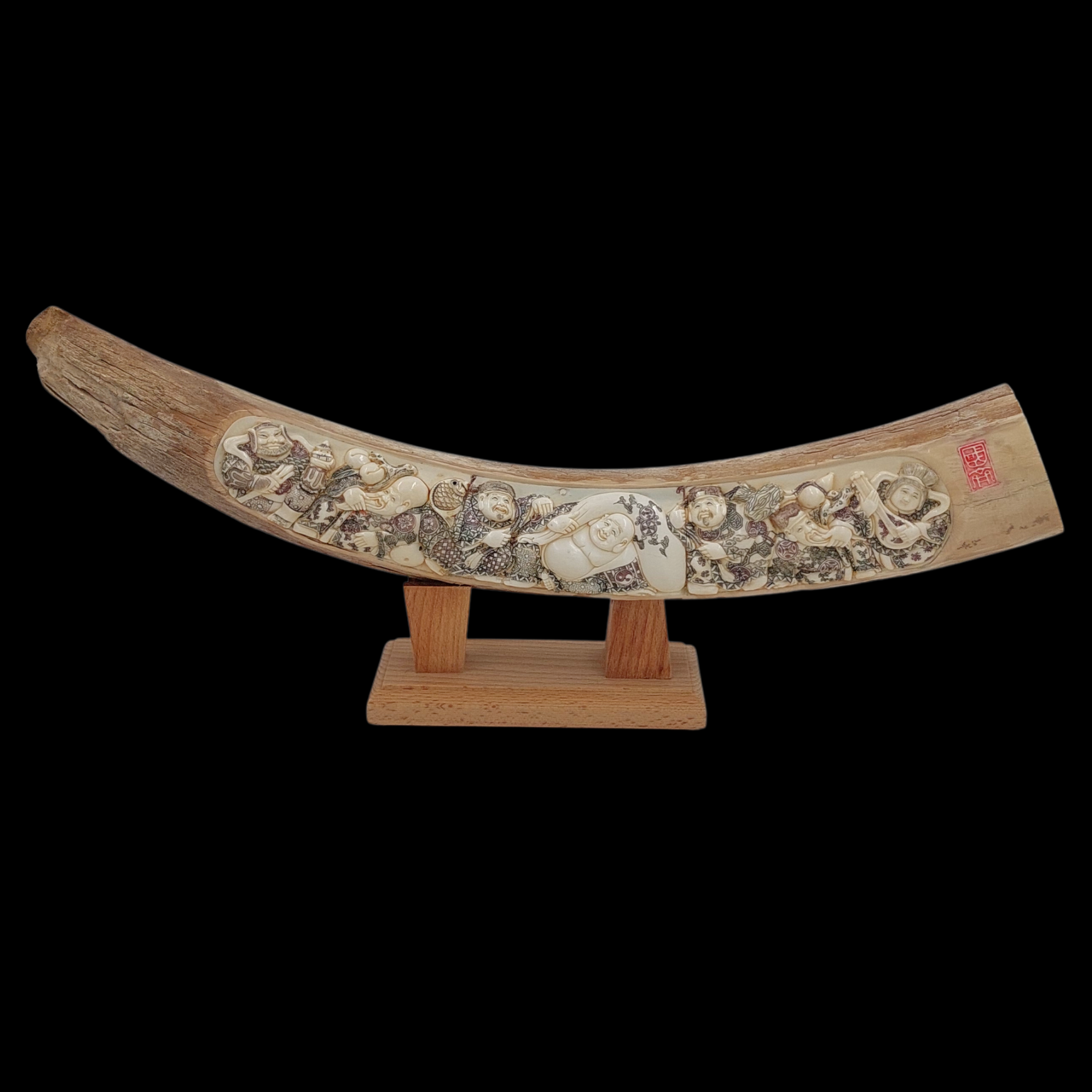
القطعة رقم FSL-020
26 000,00 AEDالآلهة السبعة المحظوظة على ناب حيوان الفظ من العصر ما قبل التاريخ

القطعة SM-A16
2 550,00 AEDشريحة من نيزك بالاسيت وزنها 27.8 غرامًا، تظهر عليها أنماط ويدمانشتاتن الكاملة، وقد تم حفرها بإتقان تام

القطعة C4
أمفيبود بايكال: Acanthogammarus Lappaceus داخل غطاء زجاجي
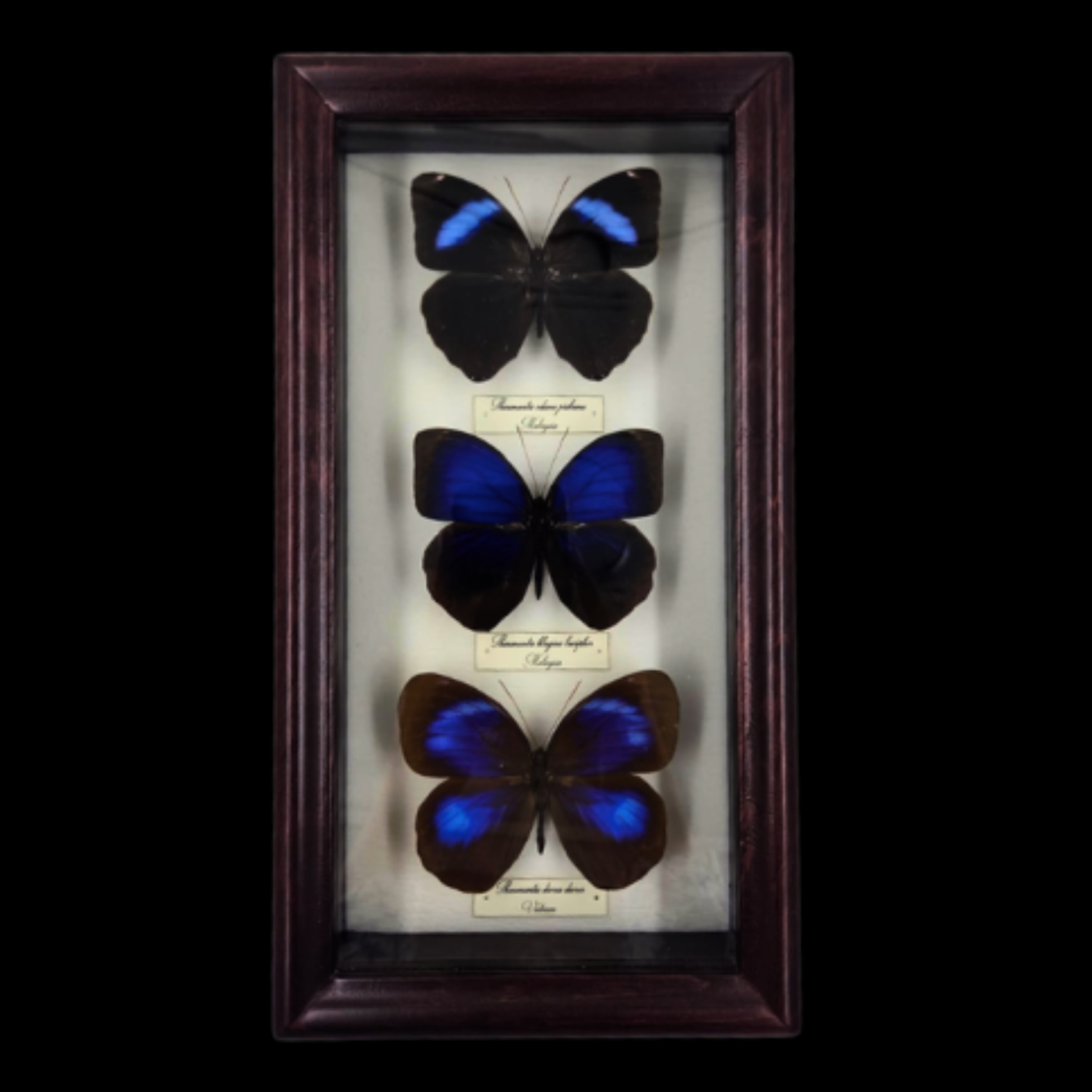
القطعة FB-123
3 200,00 AEDمجموعة من فراشات «ثومانتيس» في فريم، جنوب شرق آسيا

القطعة MT97
2 800,00 AEDسن ميغالودون، 109 غرام، ارتفاع 9.5 سم، يبلغ عمره حوالي 13 مليون سنة

القطعة رقم BGC-036
350,00 AEDHaetera hypaesia في غطاء زجاجي – الأجنحة الشبحية لغابة بيرو

القطعة SM-A6
1 400,00 AEDشريحة من نيزك «بالاسيت» وزنها 14.84 غرامًا تُظهر نمط «ويدمانشتاتن»، ويبلغ عمرها 4 مليارات سنة

القطعة رقم TSB-03
0,00 AED«تسوبا» على شكل تنين ملتف — تحفة فنية من الحرفية اليابانية

القطعة CC-001
1 100,00 AEDCeratophrys cranwelli – الضفدع المقرن الغامض من منطقة تشاكو المحفوظ في الزجاج